Online broadcasters can earn money from advertising, recurring payments, community programs, and one-time viewer support. These methods are often presented as four completely separate revenue models, but the boundaries are less precise in practice.
A membership is usually billed as a subscription. Twitch calls its recurring channel product a subscription, while YouTube calls a similar product a channel membership. Both can provide badges, custom emoji, exclusive posts, or other recurring benefits. One-time viewer payments may be called tips, donations, Cheers, Super Chats, Gifts, or fan funding, depending on the platform.
The practical differences lie in who pays, whether payment repeats, what the viewer receives, how revenue is calculated, and which risks the creator must manage.
Quick Overview: How Do Donation, Subscription, Membership, and Advertising Revenue Structures Differ?
The figures below describe general patterns. Revenue shares are not universal and may be calculated after taxes, app-store fees, payment costs, refunds, or other deductions.
Evaluation CriteriaAdvertising (AVOD)Subscription (SVOD)Membership (Community)Donation / TippingValue PropositionViewers receive free or lower-cost content while advertisers pay for audience accessViewers pay recurring fees for continuing content accessViewers pay recurring fees for perks, recognition, and community participationViewers make a one-time payment to support or interact with a creatorRevenue PredictabilityChanges with eligible views, ad demand, geography, fill rate, and content suitabilityMore predictable than isolated payments while subscribers remain activeRecurring, but dependent on continuing community value and renewalsIrregular and difficult to forecastPlatform CutVaries by platform, format, contract, and advertising programVaries by service and distribution channelVaries by platform and creator eligibilityVaries between native fan-funding tools and external processorsViewer Payment BarrierNo direct payment, although viewers spend time and may see advertisingRequires an ongoing payment commitmentRequires recurring payment for defined perksUsually optional and flexibleOptimal Target AudienceBroad audiences generating substantial eligible viewing activityAudiences that repeatedly consume a premium library or programHighly engaged viewers who value participation and recognitionViewers motivated by a specific stream, message, milestone, or momentAdvertising, subscriptions, memberships, and tips can operate together. A free livestream may contain advertisements, offer paid channel memberships, and accept highlighted one-time messages during the same broadcast.
Understanding the Essence: Revenue Structure and Direct vs. Indirect Revenue Streams
1. Indirect Revenue Stream (Advertising Model)
In an advertising model, the viewer does not normally pay the creator for each piece of content. Advertisers purchase access to eligible audience attention through the platform.
Revenue may depend on impressions, completed views, geography, advertiser demand, content category, viewer device, and whether inventory was filled. Click-based pricing can apply in some advertising systems, but creators are commonly paid through platform-specific revenue-sharing calculations rather than receiving an advertiser’s full CPM or CPC bid.
The platform may also exclude invalid traffic, copyrighted material, non-advertiser-friendly content, or views for which no advertisement was served.
2. Direct Revenue Stream (Subscription, Membership, Donation)
Direct viewer payments include recurring subscriptions, community memberships, paid messages, virtual gifts, and external tips.
Subscription: Usually emphasizes continuing access to content or a service.
Membership: Usually emphasizes belonging, recognition, access, and recurring perks.
Donation / Tip: Usually involves a one-time payment without continuing access.
These labels are not legal or technical standards. A Twitch subscription operates much like a community membership, while a Patreon membership may include both premium content and community access.
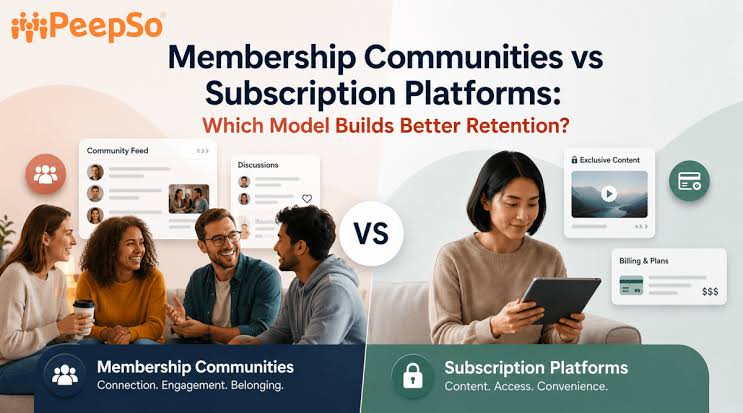
Differentiating Subscription and Membership: Paid Content Access vs. Paid Community Participation
1. Subscription (SVOD Architecture - Content Centric)
Focus: A continuing content library, publication, channel, or service.
Mechanics: The customer pays at regular intervals and retains access while the subscription remains active. Access after cancellation differs by service. Some providers allow use until the paid period ends, while others apply different rules to trials, refunds, or account violations.
Relationship: A recurring commercial exchange between the subscriber and the service.
Netflix-style entertainment libraries are clear examples of SVOD. Paid newsletters, archives, educational programs, and premium podcast feeds may follow the same structure.
2. Membership (Community & Status Architecture - Fan Centric)
Focus: Recurring access to creator-specific perks or community participation.
Mechanics: Benefits may include badges, custom emoji, members-only posts, early videos, private chats, or exclusive streams. YouTube allows eligible creators to build several membership levels with different prices and perks, while Twitch subscriptions can include badges, emotes, anniversary recognition, and benefits selected by the streamer.
Relationship: A recurring fan-to-creator relationship facilitated by the platform. It is not technically peer-to-peer because the platform controls payment processing, eligibility, accounts, and benefit delivery.
Differentiating Donation and Membership: Voluntary Tipping vs. Community Perks Reciprocity
1. Donation (Tipping)
Nature: Usually a one-time voluntary payment. In commercial creator settings, “tip” or “fan support” is often more accurate than “donation,” which may imply charitable treatment that does not apply.
Format: Payment can occur through native tools such as YouTube Super Chat, Twitch Bits, KICKs, or Gifts, or through an external payment processor.
Motivation: Viewers may want to support the creator, display a highlighted message, activate an on-stream alert, celebrate a milestone, or request acknowledgment. A payment does not guarantee that the creator will read a message or provide a specific response unless that promise is clearly part of the offer.
2. Membership
Nature: A structured recurring payment with stated benefits.
Format: Usually processed by the broadcasting platform, although community access may extend to an external Discord server, newsletter, or website.
Motivation: Continuing access and recognition rather than one brief interaction. Tenure badges and recurring perks can encourage retention, but creators must keep benefits deliverable and consistent.
In-Depth Analysis of Advertising Revenue Structure (AVOD)
1. Financial Mechanics and Formula
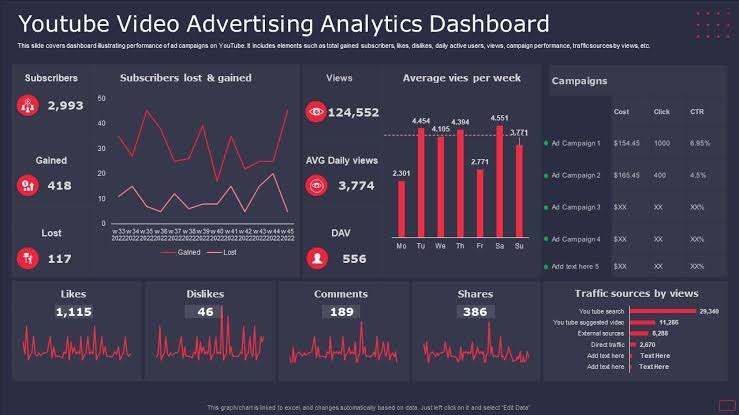
Effective CPM expresses revenue per 1,000 impressions:
[
eCPM =
\left(
\frac{\text{Total Advertising Revenue}}
{\text{Total Ad Impressions}}
\right)
\times 1{,}000
]
Pre-roll Ads: Advertisements shown before a video or stream begins.
Mid-roll Ads: Advertisements inserted during longer content.
Overlay / Display Ads: Visual advertising presented beside or over part of the viewing interface.
Creator revenue should not be calculated from headline advertiser CPM alone. Platforms first determine eligible net revenue under their terms. YouTube currently pays partners 55% of net revenue from Watch Page Ads and 45% of the revenue allocated to them from the Shorts Creator Pool. Twitch states that eligible streamers can receive 55% of net advertising revenue when they run at least three ad minutes per hour under its Ads Incentive structure.
2. Advantages & Challenges
Advantages: Viewers can access the main content without making a direct payment, helping creators reach a wider audience.
Challenges:
Revenue depends on eligible monetized viewing rather than total views alone.
Ad demand and rates vary by audience location, season, content category, and advertiser suitability.
Heavy advertising may reduce viewing time or encourage users to leave.
Ad blockers and subscription products with reduced advertising can change the number of monetizable impressions.
In-Depth Analysis of Subscription Revenue Structure (SVOD)
1. Core Financial Formulas
A simplified monthly recurring revenue calculation is:
[
MRR =
\text{Active Monthly Subscribers}
\times
\text{Average Monthly Revenue per Subscriber}
]
A common subscriber churn formula is:
[
\text{Churn Rate} =
\frac{\text{Subscribers Lost During the Period}}
{\text{Subscribers at the Beginning of the Period}}
\times 100
]
Businesses may calculate churn differently when upgrades, annual plans, pauses, failed payments, and reactivations are involved. The chosen definition must remain consistent across reporting periods.
2. Advantages & Challenges
Advantages: Active recurring accounts provide better revenue visibility than isolated tips.
Challenges: Revenue is not guaranteed. Cancellations, failed payments, free trials, refunds, discounts, and platform fees reduce the amount actually collected. A growing subscriber count can also hide weak retention if many existing users are leaving.
In-Depth Analysis of Membership Revenue Structure
1. Tiered Membership Architecture
Platforms may support several membership levels, but fixed prices and benefits differ by country and channel.
Tier 1: Basic recognition and entry-level perks.
Tier 2: Additional content, emotes, events, or community privileges.
Tier 3: Higher-value benefits that remain practical for the creator to deliver.
Ad-free viewing is not a universal membership benefit. On Twitch, streamers control many subscription benefits, and on YouTube the creator defines approved perks for each level.
2. Platform Take Rates (Revenue Splits)
YouTube: Creators receive 70% of recognized channel-membership revenue after applicable taxes and fees are deducted. YouTube currently covers ordinary card-processing costs.
Twitch: There is no single current split that accurately describes every streamer. Qualifying Affiliates and Partners can receive enhanced subscription net-revenue shares of 60/40 or 70/30 through the Plus Program. Other rates depend on the creator’s agreement and subscription type.
KICK: KICK currently advertises a 95/5 division for subscription and KICKs/Gifts revenue, with the creator retaining 95% under the platform’s stated structure.
These percentages are not directly comparable unless “gross revenue,” “recognized revenue,” “net revenue,” taxes, app-store charges, local pricing, refunds, and processing costs are treated consistently.
In-Depth Analysis of Donation Revenue Structure
1. Native Integration vs. Third-Party Gateways
Native Platform Support: YouTube creators receive 70% of confirmed Supers revenue after local sales tax and applicable iOS App Store fees are deducted. Twitch provides participating streamers a revenue share equal to one US cent for each Bit used to Cheer directly in their channel.
Third-Party Gateways: External processors may avoid a native broadcasting-platform share, but they still apply payment-processing, currency-conversion, dispute, or payout fees according to their own terms. They may also expose creators to different refund and data-management responsibilities.
2. Fraudulent Chargeback Risk
Card and wallet payments can be disputed. A viewer may claim that a transaction was unauthorized, while genuine account theft can also produce fraudulent payments.
Creators should avoid spending unusually large payments immediately, retain transaction records, use clear refund terms, and never provide a promised service before confirming that payment has settled when the amount creates meaningful risk.
Chargeback fees and protection differ by processor, country, payment method, and account agreement. There is no universal fee of $15–$20 or guarantee that a creator will lose every disputed payment.
Strategic Framework for Choosing the Right Revenue Model for Internet Broadcasting Platforms
Viewer Engagement & Scale Matrix
Large Audience + Broad Free Content → Advertising
Niche Audience + Continuing Premium Library → Subscription
Highly Engaged Live Community → Membership and One-Time Fan Support
Established Multi-Format Platform → Hybrid Revenue Model
Optimal Hybrid Strategy:
Top of Funnel: Keep enough content freely accessible to attract viewers. Advertising can generate revenue where the audience and eligible viewing volume justify it.
Middle of Funnel: Offer one-time support and a simple membership level for viewers who want recognition or closer participation.
Bottom of Funnel: Reserve subscriptions for content with continuing value, such as structured courses, complete archives, premium reports, or extended programs.
Do not add every model simply because the platform supports it. Each additional revenue stream creates new obligations involving benefits, moderation, billing questions, refunds, accounting, and audience communication.
Advertising monetizes eligible audience attention, while subscriptions generate recurring revenue by providing ongoing access to content or services. Memberships build on the subscription model by offering exclusive community benefits, recognition, and opportunities for deeper participation, whereas tips and fan-funding monetize voluntary support and time-sensitive interactions. Although these monetization models often overlap and platform terminology is not always consistent, an effective strategy should begin with understanding why an audience is willing to pay and whether the creator can consistently deliver the promised value. Rather than focusing solely on headline revenue-sharing percentages, creators should evaluate net earnings after platform fees and refunds, carefully consider the workload required to fulfill membership benefits, and avoid commitments that cannot be sustained over time. In most cases, combining free content for audience growth with recurring support and optional one-time payments creates a simpler and more sustainable monetization strategy than relying on every available revenue feature.